

How to Insure Your Engagement Ring: A Complete 2026 Guide
Your engagement ring represents one of life’s most significant investments—both emotionally and financially. With the average engagement ring cost reaching $6,504 in 2025, protecting this precious symbol matters more than ever (BriteCo, 2025). Yet surprisingly, about 40% of engagement ring owners have zero specific insurance coverage for their rings, leaving themselves vulnerable to loss, theft, or damage (Goodstone Inc, 2025).
Whether you’ve just gotten engaged or you’re planning to pop the question, understanding engagement ring insurance ensures you’re prepared for the unexpected. From choosing between homeowners insurance riders and standalone policies to understanding deductibles and replacement options, this guide walks you through everything you need to know.
TL;DR: Engagement ring insurance costs just 1-2% of your ring’s value annually—that’s $65-$130 per year for the average $6,504 ring. Despite this affordability, 40% of ring owners remain uninsured. Your homeowners policy likely caps jewelry coverage at $1,000-$2,000 with a deductible, leaving you underprotected. Standalone jewelry insurance offers broader coverage with zero deductible options and covers loss, theft, damage, and even “mysterious disappearance” (Washington Diamond, 2025).
What Does Engagement Ring Insurance Actually Cover?
Approximately 67% of jewelry insurance policies provide comprehensive coverage for loss, theft, and accidental damage—the three most common risks facing engagement rings (Global Growth Insights, 2025). This broad protection sets specialized jewelry insurance apart from standard homeowners policies, which typically restrict coverage to specific “named perils” like fire or theft.
!Close-up of diamond ring being examined by jeweler showing proper appraisal documentation
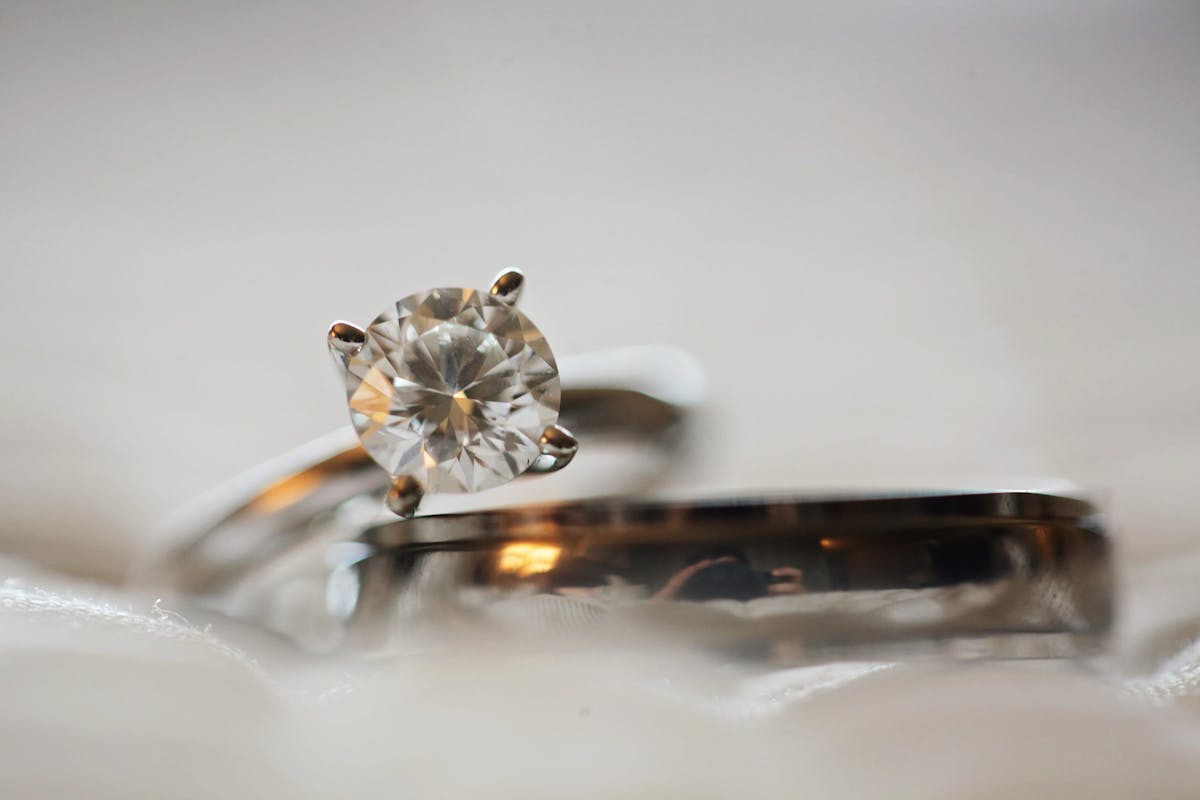
Standalone engagement ring insurance covers scenarios that catch most ring owners off guard:
- Loss: That heart-stopping moment when you realize your ring slipped off at the beach or gym
- Theft: Whether from your home, car, or while traveling abroad
- Accidental damage: Chipped stones, bent prongs, or cracked settings from everyday wear
- Mysterious disappearance: When your ring vanishes without explanation—a coverage gap in most homeowners policies
Here’s what many people don’t realize: damaged jewelry claims are actually anticipated to be more prevalent than loss and theft claims combined (Data Insights Market, 2025). This makes coverage for accidental damage essential, especially since 74% of engagement ring recipients say their ring was their first piece of fine jewelry—they’re often still learning how to care for it properly (Jewelers Mutual, 2024).
Citation Capsule: According to industry research, 67% of comprehensive jewelry insurance policies cover loss, theft, and accidental damage, while specialized policies also include “mysterious disappearance” coverage—a scenario excluded from most homeowners insurance policies (Global Growth Insights, 2025).
How Much Does Engagement Ring Insurance Cost?
Engagement ring insurance typically costs 1-2% of your ring’s insured value per year (Forbes Advisor, 2025). For the average engagement ring valued at $6,504, you’re looking at an annual premium between $65 and $130—roughly $5 to $11 per month. That’s less than most people spend on streaming services.
Let’s break down what you’d pay at different price points:
| Ring Value | Annual Premium (1%) | Annual Premium (2%) | Monthly Cost Range |
|---|---|---|---|
| $3,000 | $30 | $60 | $2.50-$5 |
| $6,504 (average) | $65 | $130 | $5.40-$10.80 |
| $10,000 | $100 | $200 | $8.33-$16.66 |
| $23,525 (fancy colored diamonds) | $235 | $471 | $19.60-$39.25 |
Premiums vary based on several factors beyond just the ring’s value. Your location matters—larger metropolitan areas with higher theft rates typically see higher premiums (Archive Market Research, 2025). The deductible you choose also affects your premium: selecting a $500 deductible instead of $0 can reduce your annual cost by 10-20%.
Here’s what many find surprising: North America holds 38% of the global jewelry insurance market share, driven largely by high engagement ring values and increased awareness of protection options (Cognitive Market Research, 2025). The market continues growing at 5.9% annually as more couples recognize the value of specialized coverage (Wise Guy Reports, 2025).
Citation Capsule: Jewelry insurance premiums typically range from 1-2% of the insured value annually, meaning a $6,504 engagement ring costs $65-$130 per year to insure, or approximately $5-$11 monthly—comparable to a streaming service subscription (Forbes Advisor, 2025).
Homeowners Insurance vs. Standalone Jewelry Insurance: Which Should You Choose?
Most standard homeowners and renters insurance policies cap jewelry coverage at $1,000 to $2,000—far below the $6,504 average engagement ring cost (CNBC Select, 2026). This coverage gap leaves the majority of your ring’s value unprotected, a fact that catches many newly engaged couples off guard.
The comparison becomes stark when you examine the details:
Homeowners Insurance (Standard Personal Property Coverage):
- Sub-limits jewelry coverage at $1,000-$2,000
- Applies your policy deductible (often $500-$2,500)
- Covers only “named perils”—typically theft and fire
- Excludes mysterious disappearance and accidental damage
- May raise your entire home insurance premium after a claim
Scheduled Personal Property (Homeowners Rider/Floater):
- Covers specific items at their full appraised value
- Often includes no deductible or very low deductibles (Investopedia, 2025)
- Broader coverage including accidental damage
- Still tied to your homeowners policy
- Can increase your overall home insurance costs
Standalone Jewelry Insurance:
- Full replacement value coverage
- Zero deductible options available (State Farm, 2025)
- Covers loss, theft, damage, and mysterious disappearance
- Separate policy won’t affect home insurance premiums
- Often includes preventive maintenance (prong retipping, stone tightening)
Consider this scenario: with a $2,000 homeowners deductible and a $6,504 ring, you’d lose 31% of your ring’s value before insurance kicks in. That’s $2,000 out of pocket before seeing any benefit (Reddit/Insurance, 2025).
Citation Capsule: Standard homeowners insurance policies typically limit jewelry coverage to $1,000-$2,000 with deductibles applied, meaning a $6,504 ring with a $2,000 deductible would leave the owner responsible for 31% of the loss before any insurance payment (CNBC Select, 2026).
What Documentation Do You Need to Insure Your Ring?
For engagement rings valued under $5,000, most insurers accept a detailed sales receipt instead of a formal appraisal (Progressive, 2024). For rings above this threshold—or if you want the most accurate coverage—you’ll need a professional jewelry appraisal from a certified gemologist.
Gather these documents before applying for insurance:
A sales receipt shows what you paid, but not what it would cost to replace the ring in today’s market. This gap can leave you underinsured as diamond prices fluctuate (Element 79 Jewelry, 2025). Professional appraisals establish the replacement value—the cost to recreate your exact ring with equivalent quality stones and materials.
Pro tip: Have your ring reappraised every 3-5 years. Diamond and gold prices change, and you want your coverage to reflect current replacement costs, not what you paid years ago.
Citation Capsule: Insurers typically require formal appraisals for jewelry exceeding $5,000 in value, while items below this threshold may be insured with detailed sales receipts documenting metal type, gemstone specifications, carat weight, and quality (Progressive, 2024).
How Do You Actually File a Claim for a Lost or Damaged Ring?
The claims process varies significantly between standalone jewelry insurers and homeowners insurance. Specialized jewelry insurance companies typically process claims within days, while homeowners claims can take weeks due to more extensive investigation requirements and adjuster involvement.
Here’s what to expect when filing a claim:
Immediate Steps:
Required Documentation:
- Your policy number and insurance card
- Original appraisal and/or sales receipt
- Police report number (for theft claims)
- Photographs of damage (for damage claims)
- Written description of the incident
Replacement Options: Most standalone jewelry insurers offer flexibility in how you replace your ring:
- Same jeweler replacement: They work with your original jeweler to recreate the ring
- Choose your jeweler: You select any jeweler, and the insurer pays them directly
- Cash settlement: You receive the insured value to replace the ring however you prefer
Citation Capsule: Standalone jewelry insurance providers typically process claims within days rather than weeks, offering policyholders flexible replacement options including working with the original jeweler, selecting a new jeweler, or receiving a cash settlement for the insured value.
Should You Choose a Deductible or Pay More for Zero-Deductible Coverage?
Policyholders with scheduled personal property coverage typically face no deductible on jewelry claims, while standalone policies offer deductible options ranging from $0 to $1,000 (Bankrate, 2025). The choice between a deductible and higher premium depends on your risk tolerance and the ring’s value.
Let’s run the numbers for a $6,504 ring:
| Deductible | Annual Premium Savings | Break-Even Point |
|---|---|---|
| $0 | Base premium | N/A |
| $250 | ~$25-40/year | 6-10 years without a claim |
| $500 | ~$50-80/year | 6-10 years without a claim |
| $1,000 | ~$75-120/year | 8-13 years without a claim |
The math reveals something important: you’d need to go 6-13 years without a claim to break even on choosing a deductible. Since most engagement rings face their highest risk in the first 5 years—while owners are still developing care habits—zero-deductible coverage often makes financial sense for recent purchases.
Consider your ring’s specific risks: Do you work with your hands? Travel frequently? Exercise with your ring on? High-risk activities favor zero-deductible policies. If you’re extremely careful and have an emergency fund, a modest deductible could save money over time.
Citation Capsule: Zero-deductible jewelry insurance policies are standard for scheduled personal property coverage and available from most standalone insurers, while choosing a $500-$1,000 deductible typically reduces annual premiums by $50-$120, requiring 6-13 claim-free years to break even (Bankrate, 2025).
When Should You Get Engagement Ring Insurance?
Purchase engagement ring insurance before you ever leave the jewelry store—or at minimum, within 24-48 hours of taking possession of the ring. This isn’t just about peace of mind; it’s about protecting yourself during the highest-risk period of ring ownership.
Consider the timeline of risks:
- Proposal day: Rings get lost, damaged, or stolen during elaborate proposal setups
- First month: New owners haven’t developed handling habits; rings slip off fingers
- First year: Highest incidence of loss and damage as routines are established
- Annually: Ongoing protection against theft, damage, and gradual wear
Many jewelers offer temporary coverage while you arrange permanent insurance, but these short-term policies typically last only 30-90 days and may have coverage limits. Don’t rely on temporary coverage—secure your standalone policy before the proposal if possible.
Special consideration for surprise proposals: If you’re planning a surprise proposal and can’t discuss insurance with your partner beforehand, purchase a policy in your name. Most insurers allow you to add your fiancé as an additional insured after the fact, often without additional premium.
Citation Capsule: Insurance experts recommend securing engagement ring coverage within 24-48 hours of purchase, as the first year of ownership carries the highest risk of loss and damage while new owners develop proper handling and care habits.
Frequently Asked Questions
Does homeowners insurance cover my engagement ring?
Standard homeowners insurance covers jewelry but typically caps coverage at $1,000-$2,000 per item and applies your policy deductible. With the average engagement ring costing $6,504, standard coverage leaves most of your ring’s value unprotected. Adding a scheduled personal property rider increases coverage to full value, but standalone jewelry insurance often provides broader protection at competitive rates (CNBC Select, 2026).
How is engagement ring insurance different from a warranty?
Engagement ring warranties typically cover manufacturing defects and routine maintenance like prong tightening or stone resetting for 1-5 years. Insurance covers loss, theft, damage, and mysterious disappearance—events warranties explicitly exclude. About 25% of ring buyers mistakenly purchase warranties thinking they provide insurance protection (BriteCo, 2024). You need both: a warranty for defects, insurance for everything else.
What if my ring increases in value over time?
Standard jewelry insurance covers your ring at its appraised value at the time of policy purchase. If gold or diamond prices rise significantly, you could be underinsured. Solution: schedule reappraisals every 3-5 years and update your policy accordingly. Some premium policies include inflation adjustment clauses that automatically increase coverage annually.
Can I insure a ring I inherited or received as a gift?
Yes, you can insure any ring you legally own, regardless of how you acquired it. You’ll need documentation proving ownership and value—a professional appraisal is essential for inherited pieces since you won’t have a sales receipt. Bring any available information about the ring’s history, previous appraisals, or certificates when getting coverage (David Stern Jewelers, 2025).
Does engagement ring insurance cover international travel?
Most standalone jewelry insurance policies provide worldwide coverage, protecting your ring wherever you travel. Homeowners insurance riders may limit coverage to the U.S. and Canada or require you to notify the insurer before international trips. If you’re planning a destination proposal or honeymoon abroad, verify your policy’s geographic coverage limits before you travel.
Conclusion
Insuring your engagement ring costs just 1-2% of its value annually—roughly $65-$130 for the average $6,504 ring—yet provides invaluable peace of mind. With 40% of ring owners remaining uninsured despite these affordable premiums, don’t let your symbol of commitment become a financial loss.
Key takeaways:
- Standalone jewelry insurance offers broader coverage than homeowners policies with zero-deductible options
- Standard homeowners insurance caps jewelry at $1,000-$2,000, leaving most rings underprotected
- Damage claims occur more frequently than theft, making comprehensive coverage essential
- Professional appraisals ensure you’re covered for replacement value, not just purchase price
- Purchase insurance within 24-48 hours of getting your ring to protect against early risks
The right engagement ring insurance does more than protect a financial investment—it safeguards a symbol of your commitment. At LuxyDiamonds, we believe every engagement ring deserves the protection that matches its significance.